
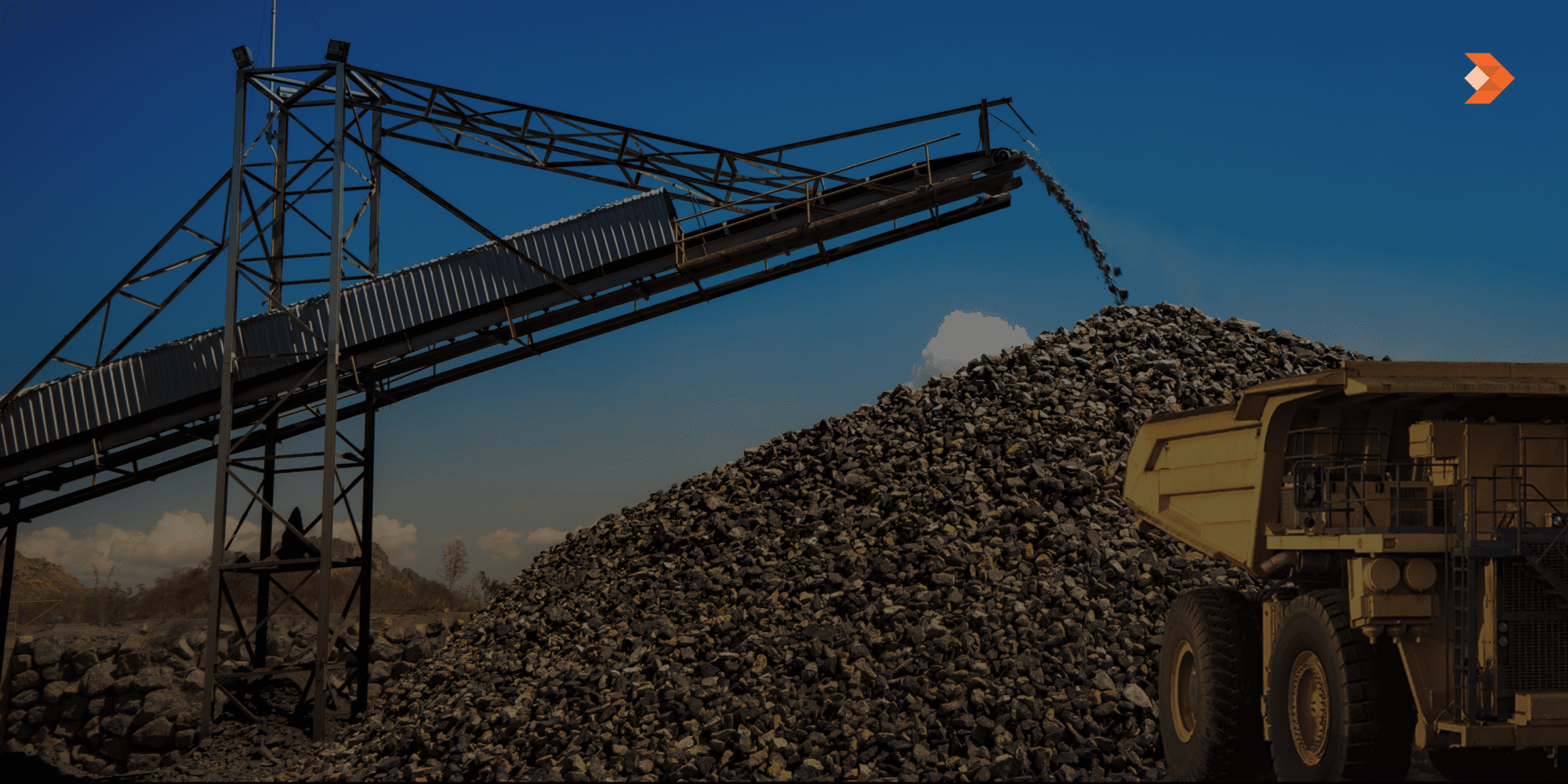
Summer looks different on a remote mine site than it does anywhere else. While the broader workforce is taking vacations, spending time with family, and recharging, your FIFO workers are flying into a site in northern BC, the Yukon, or the western US for another rotation. The weather is better than February, the days are longer, and everything outside the mine feels more alive. Which is exactly the problem.
The gap between what FIFO workers see happening in their home lives during summer and what they’re experiencing on rotation is at its widest between June and August. Birthdays get missed. Family holidays get declined. Partners and kids are building summer memories that don’t include them. That emotional weight accumulates across rotations in a way it doesn’t during winter, when staying home isn’t particularly appealing to anyone. The result is a predictable and consistent spike in FIFO resignation rates during summer, one that costs mining operations dearly in recruitment, onboarding, and lost operational knowledge every year.
The companies that manage it well don’t do so by accident. They recognize the pattern, plan around it, and address the underlying drivers before they become departure decisions. That window is open right now.
Why Summer Specifically Creates the Breaking Point
FIFO workers make a trade-off when they take rotational roles in mining. They accept the separation from their home lives in exchange for strong compensation, defined time off, and the knowledge that when they are home, they’re genuinely home without the partial presence of a standard working week. For most of the year, that trade-off is manageable. During summer, the psychological cost of it spikes in ways that are worth understanding specifically.
The first factor is visibility. During winter, a FIFO worker’s absence from home life is less conspicuous. School routines are normal, social calendars are quieter, and the weather discourages the kinds of family activities that create memorable shared experiences. During summer, the contrast is sharp and constant. A worker on site in July knows their family is at the lake, at the barbecue, at the kids’ sports tournament. They’re not just missing routine. They’re missing moments that feel irreplaceable, and that awareness compounds across a rotation in ways that are hard to push aside.
Mining Account Manager Simone Dorie notes that camp living conditions can significantly intensify these retention pressures. When camp infrastructure is inadequate, the emotional toll of missing family milestones feels much heavier, making workers far more likely to seek employment closer to home. Accommodations vary significantly across the industry based on the operation’s size and remoteness, ranging from formal housing and dedicated facilities to temporary motel setups or onsite bunkies. If living standards fail to respect the worker’s quality of life, the contrast with home becomes intolerable and drives them to leave.
The second factor is competing opportunities. Summer is when the broader labor market opens up in resource-adjacent industries. Construction ramps up. Forestry operations intensify in accessible regions. Seasonal industrial work becomes available closer to home. FIFO workers who have been quietly dissatisfied with their roster structure or their compensation suddenly have visible alternatives that would let them sleep in their own bed every night. The psychological calculus shifts, and for workers who were already on the fence, summer is when the decision gets made.
The third factor is cumulative fatigue that reaches a threshold. For many FIFO workers, summer isn’t the beginning of burnout. It’s the point at which burnout that has been building since the previous year becomes impossible to rationalize away. A worker who has completed six or eight rotations since their last genuine break, who hasn’t had a summer at home in two or three years, and who is watching their personal life move forward without them isn’t simply tired. They’re at a crossroads, and the summer visibility effect pushes them toward a decision they’ve been deferring.
The Retention Risk Is Concentrated in Specific Roles
Not all FIFO roles carry the same summer attrition risk, and understanding where the concentration is helps operations leaders prioritize their retention effort rather than applying a broad response to an uneven problem.
The highest-risk category is experienced mid-career workers in their mid-thirties to late forties, typically with young families, who have been on FIFO rosters for several years. These are often production supervisors, leading hands, heavy duty vehicle mechanics, and fixed plant maintenance specialists. They’re experienced enough to have real market value, senior enough to have absorbed significant institutional knowledge, and at exactly the life stage where the personal cost of FIFO is felt most acutely. Losing one of these workers in July means a replacement process that runs through the tightest hiring period of the year, a knowledge transfer gap that doesn’t close quickly, and a message sent to the rest of the team about what long-term FIFO tenure looks like.
Underground mine management and processing plant roles carry similar risk for slightly different reasons. These workers have highly transferable skills that are in demand across North American mining operations, many of which are also ramping up for summer construction and exploration activity. The combination of personal burnout and visible external opportunity creates departure risk that’s meaningfully higher in summer than at any other point in the year.
Dorie adds that operations leaders must look inward right now to evaluate their site’s workforce readiness. She recommends that companies conduct thorough audits of their internal gaps, examining team seniority levels to prevent being top-heavy or overly reliant on junior staff. Maintaining that balance is essential for effective succession planning and safe operations as teams experience summer turnover.
TPD’s mining recruitment team places across all of these categories, from production supervisors and leading hands through to underground mine managers, heavy duty vehicle mechanics, and processing plant engineers. The replacement timelines for these roles in a competitive summer market are long enough that the most effective retention strategy is always less expensive than the most efficient replacement process.
Roster Structure Is the Root Cause Most Operations Won’t Address
When mining companies analyze summer FIFO attrition, the conversation often gravitates toward compensation as the primary lever. Compensation matters, and in a competitive market it’s worth benchmarking regularly. But in 45+ years of placing mining talent across the US and Canada, the most consistent driver of FIFO attrition in experienced workers isn’t pay. It’s roster structure, and specifically roster structures that were designed around operational convenience rather than the long-term sustainability of the workforce.
A four weeks on, two weeks off roster gives the operation maximum coverage at minimum headcount. It also gives the worker one-third of their time at home, compressed into two-week blocks that don’t align naturally with school terms, family schedules, or the rhythms of a normal personal life. For a worker in their late twenties with no family obligations, that arrangement is often acceptable. For a worker in their late thirties with school-age children and a partner managing the household alone during every rotation, it’s a chronic stressor that summer amplifies to an unsustainable level.
Operations that have moved toward more worker-friendly roster structures, two weeks on and two weeks off being the most commonly cited improvement, consistently report lower attrition rates and stronger recruitment outcomes in tight labor markets. The operational cost of that adjustment is real. It requires more workers to maintain the same coverage, which increases headcount and recruitment spend. But that cost needs to be weighed honestly against the cost of the continuous replacement cycle that an unsustainable roster structure generates.
Not every operation has the headcount flexibility to restructure its roster immediately. For those that don’t, the more practical near-term lever is predictability. Workers who can plan their home life around a consistent, reliable rotation schedule tolerate the demands of FIFO significantly better than those whose rosters shift with short notice. If you can’t change the ratio, making the schedule something workers can build their lives around is the next most meaningful improvement available.
The Interventions That Matter Right Now, in June
Beyond roster structure, there are specific interventions that mining HR and operations teams can act on immediately that have a meaningful impact on retention without requiring a fundamental restructuring of the operation.
The most effective is direct outreach to your highest-risk workers this week. The peak of the summer attrition window runs from now through August, and a genuine conversation with a production supervisor or a fixed plant maintenance specialist now, focused on their experience of the roster, their career trajectory, and whether there are specific things that would make the arrangement more sustainable, produces better retention outcomes than a retention offer made after a resignation letter has been submitted. Workers who feel seen and heard before they reach a breaking point are more likely to raise concerns than to act on them silently.
Dorie maintains that operations must actively prioritize sustainable roster structures and introduce flexible scheduling for key family events. She also points to contract staffing as an underused retention tool: bringing in contract workers during summer gives permanent employees the ability to take genuine vacation time without leaving production exposed, which reduces the burnout that drives departure decisions in the first place.
Schedule accommodation for key summer events is a low-cost retention tool that most operations underuse. A worker who can get a specific week off in July for a family holiday that matters to them will often tolerate the rest of the rotation schedule more readily than one whose personal priorities are consistently subordinated to operational needs without acknowledgment. The willingness to be flexible on a meaningful occasion communicates something important about how the organization values its workers, and that communication has retention value that outlasts the specific accommodation.
Mental health and wellbeing support specifically designed for FIFO workers is increasingly recognized as an operational necessity rather than a wellness program. Access to counselling that understands the specific stressors of rotational work, peer support networks among FIFO workers on site, and genuine management attention to signs of cumulative fatigue are all meaningful contributors to summer retention outcomes in remote mining environments.
When Turnover Happens Anyway, Speed Is What Protects the Operation
Even with strong retention practices in place, some summer FIFO attrition is unavoidable. Workers make life decisions that no roster adjustment or retention conversation can prevent, and the operations that handle inevitable turnover best are the ones that don’t treat it as a surprise when it arrives.
That means maintaining an active relationship with a mining recruitment partner who has a genuine candidate pipeline for your most critical FIFO roles, not just a database of resumes that were current two years ago. When a production supervisor or a heavy duty vehicle mechanic resigns in July, the time-to-fill in the current market is long enough that the operation will feel the absence acutely if the sourcing process is starting from zero.
The ideal planning horizon for summer pipeline protection is April. Dorie puts it plainly: “May is already too late. Planning should ideally begin in April, because by the time summer arrives the competitive landscape for experienced candidates is fully formed.” In June, the candidates who were available in April are largely committed elsewhere. That doesn’t mean sourcing is impossible, it means it requires a recruitment partner with active relationships rather than a fresh search from a job board. Speed and network depth are what protect operations from mid-summer departures at this point in the season.
TPD’s mining recruitment team maintains active candidate relationships across the full range of FIFO roles, including the experienced mid-career workers who are hardest to replace and most critical to operational continuity. With 45+ years of mining recruitment experience across the US and Canada, we understand both the urgency of summer placements and the specific profile required for workers who will thrive in a remote rotational environment rather than struggling through it.
If your operation is already in summer without a clear plan for managing FIFO roster fatigue and the attrition risk that comes with it, connect with TPD’s mining recruitment team to talk through both the retention strategy and the contingency plan before the season peaks.