
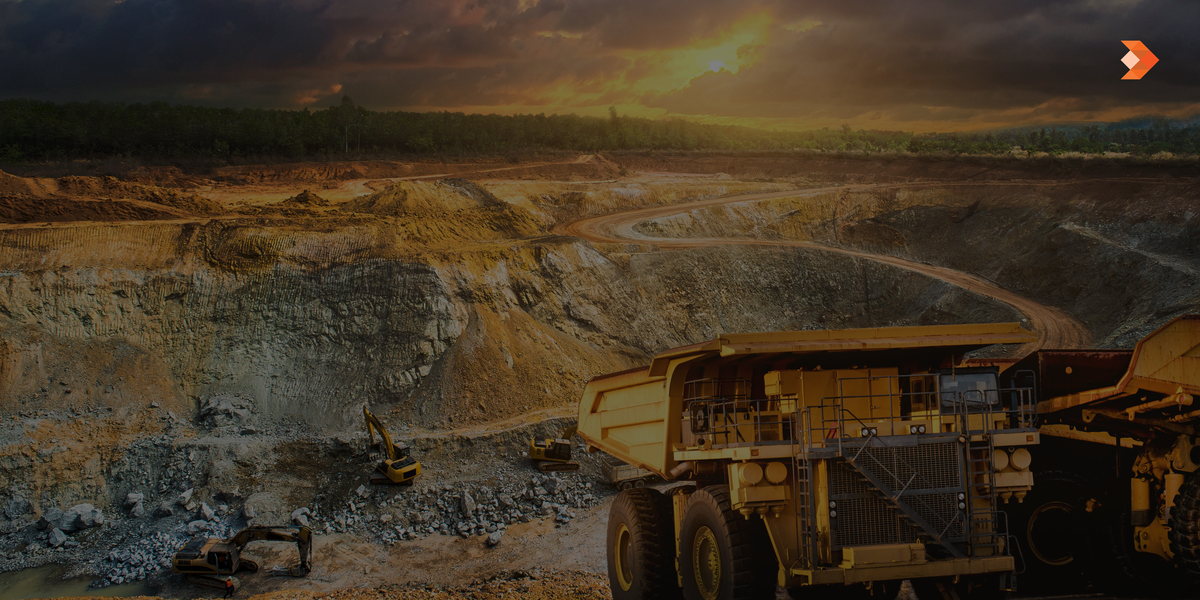
A greenfield mine is one of the most complex workforce challenges in any industry. You’re building an operation from nothing, in a location that often has no existing labor pool, on a timeline that has real financial consequences if it slips, while simultaneously managing construction, regulatory approvals, community engagement, and equipment procurement. Every one of those workstreams depends on people, and the people piece is consistently the one that catches new mining projects off guard.
The companies that execute greenfield mines successfully tend to share one common trait: they started thinking seriously about workforce before they were ready to hire. treat staffing as something to sort out once the site was closer to ready. By then, the timeline pressure is real, the best candidates have already committed elsewhere, and the project is playing catch-up from a position it didn’t need to be in.
The Timeline Problem That Compounds Everything Else
The most consistent workforce mistake in greenfield mining projects is a simple one: starting too late. The assumption tends to be that serious recruiting can begin when the site is far enough along to show candidates something concrete. That logic is understandable and almost always wrong.
Filling senior operational roles takes time in any market. Mine managers, processing plant superintendents, maintenance managers, and senior engineers are not sitting idle waiting for your project to get to the right stage. In a market where experienced mining talent is being actively pursued by multiple projects simultaneously, those timelines stretch further. A strong candidate for a mine manager role isn’t going to wait six months while your project irons out its permitting. They have options, and they’ll take one.
The practical implication is that workforce planning for a greenfield mine needs to begin well before construction, not after it. The first hires on an operating team are often the people who help shape how the site is set up, which means getting them on board during the construction and commissioning phase rather than at the end of it. Those early hires also help attract subsequent hires through their own professional networks, which is one of the most effective sourcing channels available in remote mining recruitment. Every month of delay in starting that process is a month of compounding disadvantage.
There Is No Local Talent Pool
Greenfield mines, almost by definition, are built in places where there isn’t an established mining workforce waiting to be hired. That’s partly why the resource was undeveloped to begin with. The surrounding communities may have workers with transferable industrial skills, but experienced mining talent, the kind that can run a processing plant, manage underground operations, or maintain heavy mining equipment to a professional standard, typically needs to come from somewhere else.
This creates two parallel workforce challenges that need to be addressed at the same time. The first is recruiting experienced workers from outside the region, which means competing for people who have to be willing to relocate or commit to a rotational schedule in a location they may have no existing connection to. The relocation package, the roster structure, and the story you tell about the long-term opportunity at the site are all factors in whether you win those candidates over competing projects.
The second challenge is developing a local workforce pipeline that will eventually reduce the operation’s dependence on fly-in fly-out workers and build genuine community roots. That pipeline takes years to develop and requires real investment in partnerships with local training providers, Indigenous communities, and regional schools. It won’t solve your Year One staffing problem, but a greenfield mine that isn’t building those relationships early is creating a much harder problem for itself in Year Three and beyond.
TPD has placed mining talent across remote and greenfield operations in both the US and Canada, and the clients that navigate this challenge best are the ones treating local workforce development as a founding priority rather than a downstream obligation.
Building a Team From Scratch Creates Risks You Can’t See Until They Bite You
In an established mining operation, culture exists. Safety practices are embedded, teams have working relationships, experienced workers mentor newer ones, and the institutional knowledge of how the site operates lives in the people who’ve been there for years. In a greenfield mine, none of that exists yet. You’re not hiring into a culture. You’re hiring the people who will create one, which is a fundamentally different exercise.
The risk this creates is most visible in safety. A new team, working in a new environment, with new equipment and processes, without the benefit of established norms and peer accountability, is statistically more vulnerable to incidents in its early operational period than a mature workforce would be. That’s not a reason to slow down hiring. It’s a reason to be far more deliberate about who you hire into leadership roles, how you structure onboarding, and how much investment you put into building shared safety culture before and during the commissioning period.
It also affects operational performance in less obvious ways. A team that hasn’t worked together before takes time to develop the communication patterns and operational rhythms that translate into productive output. Processing plant efficiency, equipment availability, and shift handover quality are all affected by team cohesion in ways that don’t show up on a skills matrix but absolutely show up in production numbers. Building a team that gels quickly requires thinking carefully about the interpersonal and leadership dynamics of your early hires, not just their technical credentials.
The Roster Question Is More Complicated Than It Looks
Remote mining operations run on rosters, and the roster structure you choose for a greenfield mine has significant implications for your ability to recruit and retain the workforce you need. Get it right and it becomes a genuine selling point for candidates evaluating your site against others. Get it wrong and it becomes a persistent driver of turnover that no amount of additional recruiting will overcome.
The challenge is that different workforce segments often have different preferences and constraints. Experienced tradespeople with families may strongly prefer a four weeks on, four weeks off rotation over an arrangement that has them home more frequently but for shorter periods. Younger workers without those family anchors may feel differently. Senior operational roles may need to be structured differently again if they require more continuous site presence to function effectively.
There’s no universally right answer, but there are common mistakes. Roster structures that are designed around what’s operationally convenient for the company rather than what’s sustainable for workers tend to produce high turnover in the first 18 months, which is exactly when a greenfield operation can least afford it. The companies that get this right engage with candidates early in the process about roster preferences, treat the structure as something worth getting right rather than something to be dictated, and revisit it when turnover data suggests it isn’t working.
Contract Staffing Has a Specific and Valuable Role in Greenfield Projects
Greenfield mines move through distinct phases, from exploration and feasibility through construction, commissioning, and eventually steady-state operations. Each phase requires a different workforce profile, and the transition between phases creates staffing challenges that a purely permanent hiring model handles poorly.
Construction and commissioning, for example, require specialized technical skills that the operational workforce may not have and won’t need once the site is running. Hiring those people permanently creates a headcount problem when the commissioning phase ends. Using contract staffing for phase-specific roles solves that problem while still giving you access to the experienced talent those phases require.
Contract staffing during commissioning also serves a useful talent identification function. Workers who perform well in the high-pressure, problem-solving environment of a mine startup are demonstrating exactly the kind of capability that makes them strong candidates for permanent operational roles. The best greenfield staffing strategies use the commissioning phase as an extended evaluation period, converting strong contract performers into permanent hires as the operation moves into steady-state production rather than treating the two workstreams as entirely separate.
Community and Indigenous Relationships Shape Your Workforce More Than You Think
For greenfield mines operating on or near Indigenous territories, which describes most new mining projects in Canada, the relationship between the company and local communities isn’t just a regulatory or social license consideration. It directly affects your workforce in practical ways.
Communities that feel genuinely respected and included in the project are more likely to be a productive source of local hires, more likely to support the training partnerships that develop that workforce over time, and more likely to provide the stable community environment that makes the site an appealing place for workers from outside the region to commit to. Communities that feel managed rather than partnered with produce friction that shows up everywhere, including in your ability to recruit and retain the people you need.
Building those relationships takes time, consistency, and a genuine willingness to invest in community benefit beyond what’s required by permits and agreements. It’s work that needs to start during the project development phase, not at the ribbon-cutting, and it requires the kind of community relations capacity that many greenfield mining companies underinvest in relative to its actual importance.
The Workforce Plan Is Part of the Project Plan
The mining projects that hit their production ramp targets and build stable, high-performing teams treat workforce planning with the same rigor they bring to geological modeling, environmental assessment, and capital budgeting. The ones that treat it as a downstream HR task consistently find themselves at the critical moment of first production with a team that’s thin, undertrained, or misaligned with what the site actually needs.
A greenfield mine is a rare opportunity to build something right from the beginning. The workforce you assemble in the first two years will shape the operational culture, the safety record, and the production performance of that site for decades. It’s worth treating with the seriousness that implies.
TPD’s mining recruitment team has been placing talent in greenfield and remote mining operations across North America for 45years. From your first operational hires through full production staffing, we understand the unique challenges of building a workforce where one didn’t exist before. Talk to TPD’s mining workforce solutions team about how to approach your project’s workforce strategy from the ground up.