
The mining industry doesn’t do gradual. Commodity prices spike, project approvals come through, and suddenly you need 40 people on site within 60 days. Then the cycle turns, budgets tighten, and the workforce you spent months building becomes a fixed cost you can no longer justify. This isn’t a new problem. It’s the fundamental operating reality of mining, and it’s one that separates companies that manage their workforce strategically from those that constantly find themselves either scrambling or overstaffed.
Contract staffing isn’t a workaround or a last resort. For mining operations that understand how to use it, it’s one of the most effective tools available for staying operationally competitive across the full commodity cycle. But it only works when it’s treated as a deliberate workforce strategy, not a reactive fix.
The Real Cost of Getting the Cycle Wrong
Most mining HR and operations leaders know what it feels like to be caught on the wrong side of a cycle. You hire aggressively during a ramp, bring on permanent staff to meet production targets, and then the commodity price softens or the project timeline shifts. What follows is either a painful round of layoffs, with all the associated costs, morale damage, and reputation hit in your labor market, or you carry headcount you can’t fully justify until conditions improve.
The inverse problem is just as damaging. When commodity prices recover and project activity surges, the companies that ran lean during the downturn suddenly find themselves competing for the same pool of experienced operators, mechanics, and supervisors as everyone else. In a market where skilled mining talent is already in short supply, a slow hiring response during a ramp can directly cost you production output and project milestones.
Neither outcome is inevitable. The companies that navigate cycles well tend to have a deliberate strategy for which roles sit in their permanent workforce and which roles flex with the work.
Understanding Which Roles Should Flex
Not every role on a mine site is a good candidate for contract staffing, and trying to make everything flexible creates its own problems. The key is being intentional about where you carry permanent headcount and where you build in flexibility.
Roles that are core to institutional knowledge, safety leadership, and long-term operational continuity, such as mine managers, senior engineers, and fixed plant supervisors, typically belong in the permanent workforce. These are the people whose departure creates real operational risk and whose institutional knowledge is genuinely difficult to replace.
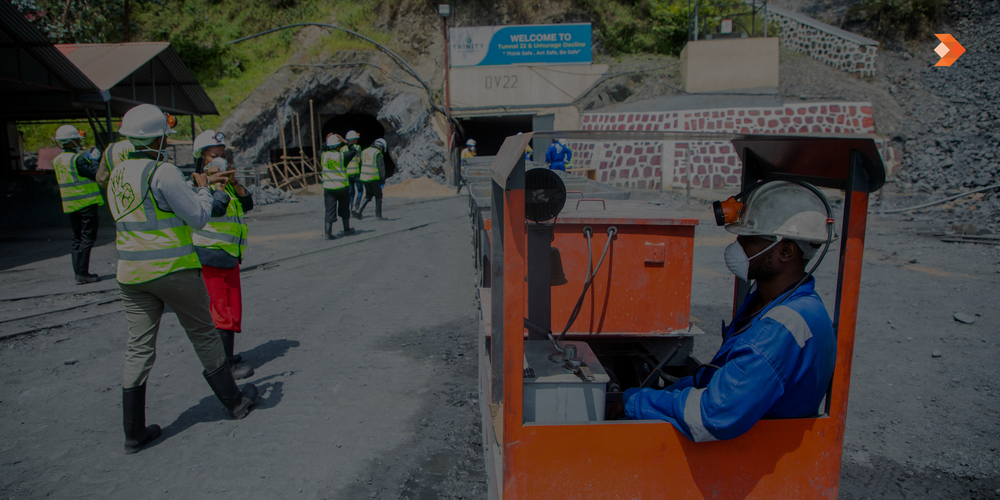
Where contract staffing adds the most value is in the operational and technical roles that scale with production activity. Equipment operators, maintenance technicians, processing plant workers, and project-phase roles like construction and commissioning personnel are all well-suited to a flexible staffing model. These positions require genuine skill and experience. This isn’t about filling seats with warm bodies. They’re roles where a well-sourced contract worker can contribute productively from day one without a long runway of institutional onboarding.
TPD works with mining companies across North America to think through exactly this question: which roles should be permanent, which should flex, and what does a sustainable workforce ratio actually look like for your operation. Getting that ratio right before you’re in the middle of a ramp or a downturn is what makes the difference.
Building a Talent Pipeline Before You Need It
The biggest mistake mining companies make with contract staffing is treating it as an on-demand service, as if skilled operators and technicians are sitting in a warehouse waiting to be dispatched. In a tight labor market, they’re not. Experienced heavy equipment operators, underground miners, and qualified maintenance technicians have options, and the companies that get first access to that talent are the ones that have built relationships before the urgent need exists.
This is where a long-term staffing partnership pays for itself. A recruiting agency that specializes in mining isn’t just posting jobs when you call them. They’re maintaining relationships with experienced candidates who are currently employed but open to the right opportunity, tracking who’s coming off a project, and building a bench of pre-qualified talent across the roles your operation relies on.
When commodity prices move and the phone calls start coming in from every operator in the region, the companies with an established pipeline fill their roles in weeks. The ones starting from scratch are still advertising three months later.
Managing Contract Workers Without Creating Two Classes of Employee
One of the legitimate concerns operations managers raise about contract staffing is cultural. If your permanent employees and your contract workers are doing similar work side by side, a visible divide in how they’re treated can create tension on site, affect morale, and ultimately hurt retention on both sides.
The mining companies that do this well treat integration seriously. Contract workers go through the same site inductions, the same safety briefings, and are held to the same conduct and performance standards as permanent staff. They’re introduced to teams properly, given the equipment and support they need to do their jobs, and treated as professionals, because they are.
The distinction between permanent and contract should be a workforce planning category, not a daily lived experience on the floor. When contract workers feel like a genuine part of the operation, they perform better, stay longer, and are more likely to be interested in a permanent role if one becomes available, which is a meaningful retention pipeline for growing operations.
Using Downturns to Strengthen Your Position
A commodity downturn isn’t only a cost management challenge. It’s also one of the most strategic times to invest in your workforce infrastructure. When project activity slows and competition for talent temporarily eases, the mining companies that use that window to build their talent relationships, refine their hiring processes, and lock in commitments with strong contractors are the ones that ramp fastest when conditions turn.
This means staying visible as an employer even when you’re not actively hiring. Maintaining your staffing partnerships, keeping in contact with high-performing contract workers who’ve left your site, and using quieter periods to assess what your workforce model actually needs to look like for the next upswing. The worst time to think about your workforce strategy is when you’re already six weeks into a ramp and still short 20 operators.
In TPD’s 45 years placing mining talent across North America, the clients that weather cycles best aren’t the ones with the biggest recruiting budgets during a boom. They’re the ones that treat workforce planning as an ongoing operational discipline rather than a problem to solve when it becomes urgent.
The Agility Advantage
Mining has always been a cyclical industry, and that’s unlikely to change. What can change is how well-prepared your operation is to move quickly in either direction. A contract staffing strategy that’s genuinely integrated into your workforce planning, with clear decisions about which roles flex, a pre-built talent pipeline, and a staffing partner who understands your operation, gives you the ability to scale up without panic and scale down without the damage of restructuring a workforce that was never meant to be permanent.
That’s not just a cost management tool. It’s a competitive advantage.
TPD’s mining recruitment team works with operations across the US and Canada to build workforce strategies that hold up across the full commodity cycle. Whether you’re in a ramp, managing through a downturn, or planning ahead for the next project phase, we can help you think through the right workforce model for your operation. Talk to TPD’s mining workforce solutions team.