
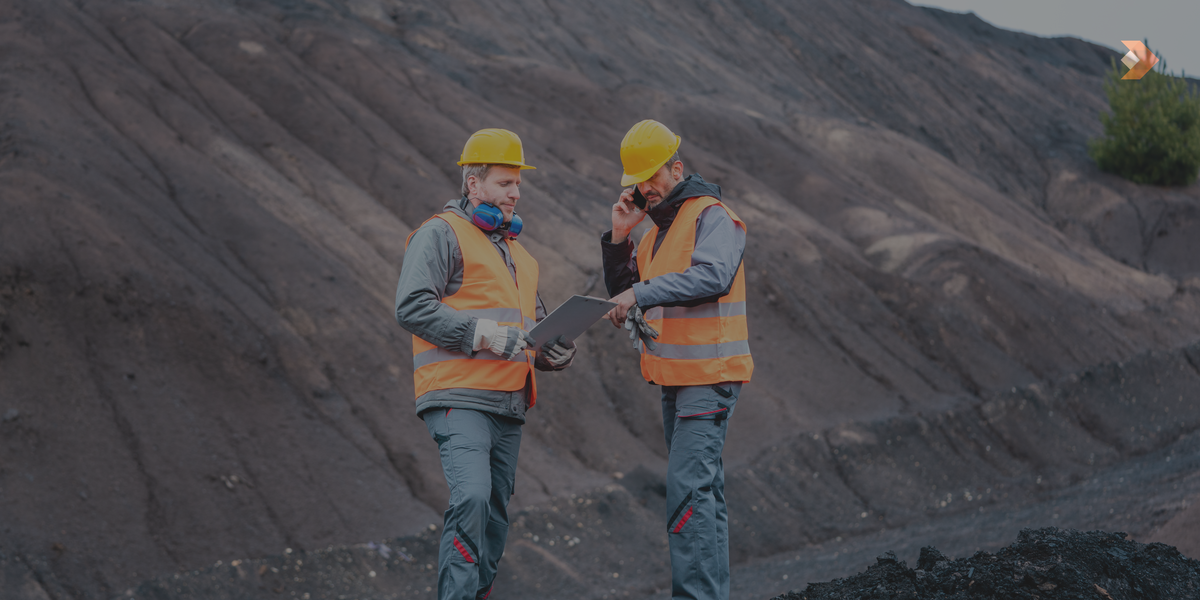
Remote mining operations face a fundamental recruitment paradox: the best mineral deposits are in isolated locations, yet top talent increasingly demands connectivity, amenities, and work-life balance. 43% of qualified candidates decline mining positions specifically due to remote work locations, creating a talent bottleneck that threatens project timelines and operational efficiency.
At TPD, we’ve spent over 40 years recruiting for mining operations across North America, from British Columbia’s northern territories to Nevada’s high desert and Arizona’s remote sites. We’re witnessing a fundamental shift in what it takes to attract skilled professionals to isolated locations—and companies that adapt their recruitment strategies are winning the talent war.
The Remote Mining Recruitment Challenge
Mining recruitment for remote locations has become a competitive disadvantage for operations relying on outdated approaches. Specialized mining roles can take up to 62 days to fill, with timelines extending even further for positions requiring relocation to remote sites.
The core challenges? Limited urban amenities, extended rotation schedules away from family, perceived isolation, competition from urban-based roles, and shifting workforce expectations around lifestyle and connectivity. Yet mineral deposits don’t relocate to accommodate talent preferences. Mining companies must make remote work attractive.
10 Modern Strategies That Win Remote Talent
1. Reframe Remote as an Advantage
Stop apologizing for your location. Position remote work as a unique lifestyle opportunity with distinct advantages:
- Higher earning potential with tax advantages and zero commute costs
- Compressed work schedules creating extended time off
- Outdoor recreation access steps from the worksite
- Tight-knit community and accelerated career progression
- Adventure and unique experiences
Showcase real employee stories about how remote work improved their quality of life, not just compensated for isolation.
TPD Case Study: A global energetics company in remote British Columbia received only two applications in six months when recruiting internally. TPD transformed their approach by selling the lifestyle instead of just the job—highlighting natural attractions, sharing affordable real estate listings, and repositioning the remote location as an advantage. The results? We filled two of three positions in just two months, secured 15 total hires with a 75% fill rate, and helped the company achieve 60% cost savings by transitioning from contract to permanent employees. Read the full case study.
2. Optimize Rotation Schedules for Modern Lifestyles
Companies offering optimized rotation schedules see 27% higher retention rates. Not all rotations work equally well.
Winning approaches:
- Compressed schedules: 14/14 or 8/6 beats traditional 4 weeks on/2 weeks off
- Flexible options allowing workers to choose what fits their lifestyle
- Extended leave blocks for international travel or major projects
- Choice-based scheduling as a retention incentive for senior employees
3. Provide Comprehensive Relocation Support
Relocation assistance increases acceptance rates by 58% for specialized positions. Essential support includes:
- Full travel coordination and logistics
- Family relocation assistance with job search and school transitions
- Site visit programs for candidates and families
- Temporary housing and moving expense coverage
- Mentor assignment to navigate community resources
Make it effortless for candidates to say yes by removing every friction point.
4. Upgrade On-Site Amenities
Modern remote camps require comfortable living conditions comparable to urban apartments.
Priority amenities:
- Private rooms with quality furnishings
- High-speed internet (non-negotiable)
- Restaurant-quality meals with variety
- Well-equipped fitness facilities
- Recreation spaces and quiet zones
Housing incentives increase acceptance rates by 38%. Invest in modern facilities and showcase them prominently in recruitment materials.
5. Leverage Technology for Connection
Technology bridges the gap between remote locations and modern expectations:
- Virtual interviews for efficient screening
- Hybrid remote work models for office roles
- Unlimited data plans and video calling for family connection
- Digital entertainment and online learning platforms
- Remote monitoring tools that expand talent pools to include periodic site-visit roles
6. Build Competitive Compensation Packages
Remote locations require premium compensation structured strategically:
- Location premiums: 15-30% above urban equivalent roles
- Rotation bonuses for completing full cycles
- Retention bonuses at 6-month, 1-year, and 2-year marks
- Tax optimization education
- Benefits that travel and paid travel time
Be transparent about total compensation including housing, meals, and tax benefits—not just base salary.
7. Create Clear Career Progression Pathways
Remote sites shouldn’t be career dead ends. Show long-term opportunities through:
- Defined advancement timelines with clear milestones
- Cross-site opportunities and paths to corporate roles
- On-site training, certifications, and mentorship
- Leadership pipeline demonstrations
- Tuition reimbursement programs
Showcase employee success stories of progression from remote sites to leadership.
8. Engage Families in the Decision
Mining recruitment means recruiting the entire family:
- Family site tours before relocation decisions
- Spouse employment support and remote work resources
- Community integration assistance
- Family visit weekends at remote sites
- Spousal networking for support connections
When families feel supported, retention improves dramatically.
9. Partner with Educational Institutions
Build pipelines before talent gaps become crises:
- Mining technology program partnerships
- Internship and co-op programs during school breaks
- Scholarship programs (yield 3.2x ROI including recruitment cost savings)
- Equipment donations and guest lectures
Students who’ve experienced your operation during school return as employees.
10. Showcase Sustainability and Modern Mining
68% of young professionals perceive mining as environmentally harmful, and only 12% understand modern mining technology. Counter these misconceptions by highlighting:
- Advanced automation and remote operations technology
- Environmental stewardship and reclamation projects
- Mining’s essential role in renewable energy
- Industry-leading safety culture and records
- Positive community and Indigenous partnerships
Modern mining is high-tech, environmentally conscious, and essential to the future.
TPD’s Proven Approach to Remote Mining Recruitment
With over 40 years of experience recruiting for mining operations across North America, TPD understands the unique challenges of attracting talent to remote locations. Our specialized mining recruitment services have successfully placed thousands of professionals at sites from Canada’s northern territories to the southwestern United States.
Why Mining Companies Choose TPD:
- Extensive remote site experience recruiting for the most isolated operations
- Proven 10-step “TPD Way” process delivering consistent, high-quality hires
- Specialized talent networks with off-market candidates open to remote opportunities
- Complete logistics support including certification verification, drug screening, and placement coordination
- Rapid deployment when production demands require it
Our Mining Recruitment Services:
- Direct hire recruitment for permanent placements at all levels
- Contract staffing for project-based and seasonal demands
- Payroll and contract management for contingent workforce administration
Specialized Mining Roles We Fill:
Millwrights, welders, heavy equipment operators, geotechnical engineers, geologists, project managers, maintenance technicians, drillers, blasters, process engineers, safety professionals, and administrative support staff.
Serving Key Mining Regions:
TPD provides mining recruitment services throughout the United States and Canada, including major mining jurisdictions in Arizona, Nevada, Idaho, British Columbia, Ontario, Saskatchewan, and beyond.
Measuring Remote Recruitment Success
Track these metrics to evaluate your strategy:
Time-to-fill: Are remote positions taking longer than urban roles?
Offer acceptance rates: Is your relocation support competitive with the 58% industry benchmark?
Retention rates: Are you achieving the 27% retention boost from optimized rotations?
Referral rates: Current employees referring friends and family is the strongest satisfaction indicator.
The Bottom Line
The mining industry won’t become less remote, but recruitment strategies must become more sophisticated. Companies that treat remote locations as a challenge to overcome will continue losing talent to competitors who’ve modernized their approach.
The most successful remote mining operations don’t hide their locations—they celebrate them. They structure compensation, benefits, rotations, and amenities around modern workforce expectations. They leverage technology, engage families, and build communities, not just camps.
Remote mining offers unique opportunities unavailable in urban careers: adventure, accelerated responsibility, strong team bonds, and premium compensation. Your recruitment strategy should make these advantages impossible to ignore.
Ready to win the competition for remote mining talent? Contact TPD’s mining recruitment specialists today. With over 40 years of experience placing professionals at remote operations across North America, we know how to attract top talent to your location—no matter how isolated. Learn more about our mining recruitment services.